
Written by Davide Pizzi
When I decided to write this column focusing on Design, I knew I would be faced with a difficult choice: deciding who to talk about and which stories to tell.
Because design embodies so many roads (fashion, furniture, automotive, lighting) and for each road there are brilliant characters who have made history.
So I decided to start from close by, from my dear Brianza, which is full of stories, companies and truly iconic characters that have been instrumental in the growth of furniture design.
With this premise, the only possible choice seemed to me to be to talk about the man who started the change, who began to conceive his company and its products in a new way… a game-changer in short.
We are talking about Cesare Cassina, after whom the historic company is named; an entrepreneur who changed the world he lived in, imagined a new way of making products and perhaps even a different society that would buy them. And he never stopped.
We are in the early post-war years, and Brianza is a kind of open-air factory, full of small workshops where everyone does his part: someone cuts, someone polishes, someone glues, someone covers… and so to manufacture a wooden table you have to go through five different companies, because everyone does his own thing.
Cesare and Umberto Cassina are themselves the sons of a carpenter, and they already have their own company.
It is from here that the process of change begins, in small steps: Cesare studies in Milan, where he learns how to make finished sofas and armchairs, thus becoming the first finished upholsterer in Meda.
In the early post-war period, their production began to differ from that of their competitors, the Cassina brothers wanted more, and attempted to give their products something that others did not have: a nobility that only culture can give to any work.
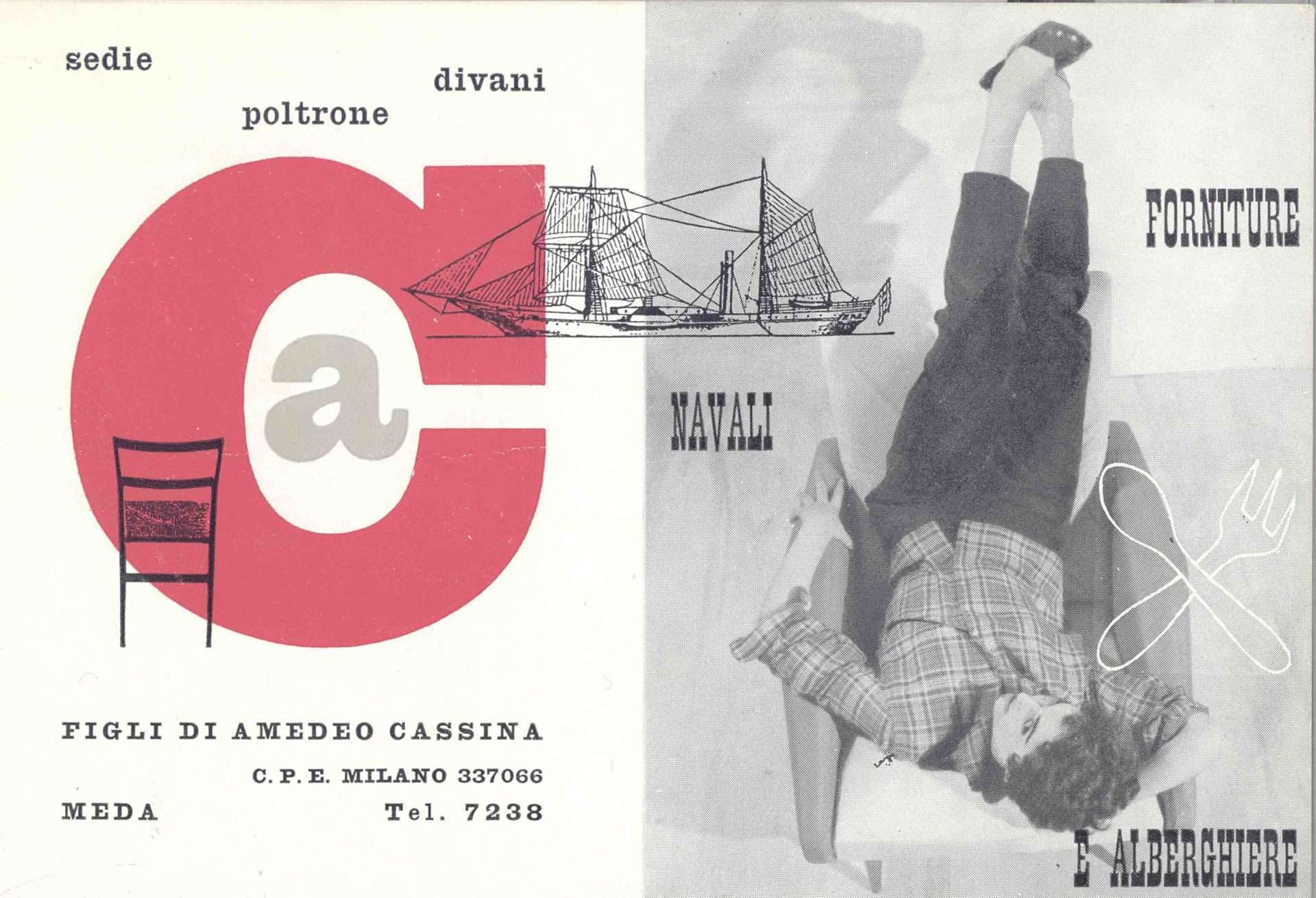
Thus, in the early 1950s, they met the architect Giò Ponti, who opened the doors to many masterpieces still produced today, of which perhaps the most famous is the Superleggera chair.
But above all, this was to be the first of many other encounters; intuition made the Cassina brothers realise that they were on the right track to bring about the change they had imagined: the marriage of an architect’s ideas and industrial expertise from Brianza.
This first collaboration (for the sake of the record there was a previous attempt with Franco Albini in ’46, but it was unsuccessful) was to be a magnet for many other young talents: Magistretti, Frattini, Carlo de Carli, and many others who would later become masters, and would motivate the entrepreneur for yet another leap forward over the others.
Cassina soon realised that all the brilliant minds he was attracting couldn’t move within the tight confines of the factory, but needed a space where they could express themselves and experiment with their ideas without the pressure of production.
Thus was born yet another Cassina innovation: the research and development centre.


We are in the early 1960s, and what today is an area that every company has, was an absolute novelty at the time, especially in the field of furniture.
In this decade, experimentation increasingly entered the company, thanks to young designers ranging from the most sober style to the galaxy of contestation and desecration, such as Archizoom, Paolo Degnanello, Gaetano Pesce, A.R.D.I.
All these young people found in Cassina a patron who allowed them to give vent to their creative flair and experiment with materials that were revolutionary at the time and had never been used in these fields. Resins, flexible foams and inflatable volumes allowed them to abandon the rigorous forms and noble materials of the previous decade and to create objects that in some cases verged on usability, but which are now recognised as a trespassing of design into the field of real art.
No longer objects that find their reason to exist in the function they perform, but objects that spread beauty, culture and technical innovation, often with a good dose of irony.
Art, experimentation and culture are increasingly the beacon that guides this adventure.
Throughout all these years, all these adventures and innovations alongside Cesare is always his brother Umberto. The administrative soul of the company, that part of the rational that visionaries need to make their visions concrete and bring them to life in the real world. Entrepreneurial and human counterpoint to his more whimsical brother, but no less crucial to the success of this adventure.
Cassina doesn’t stop yet and another step forward takes place.
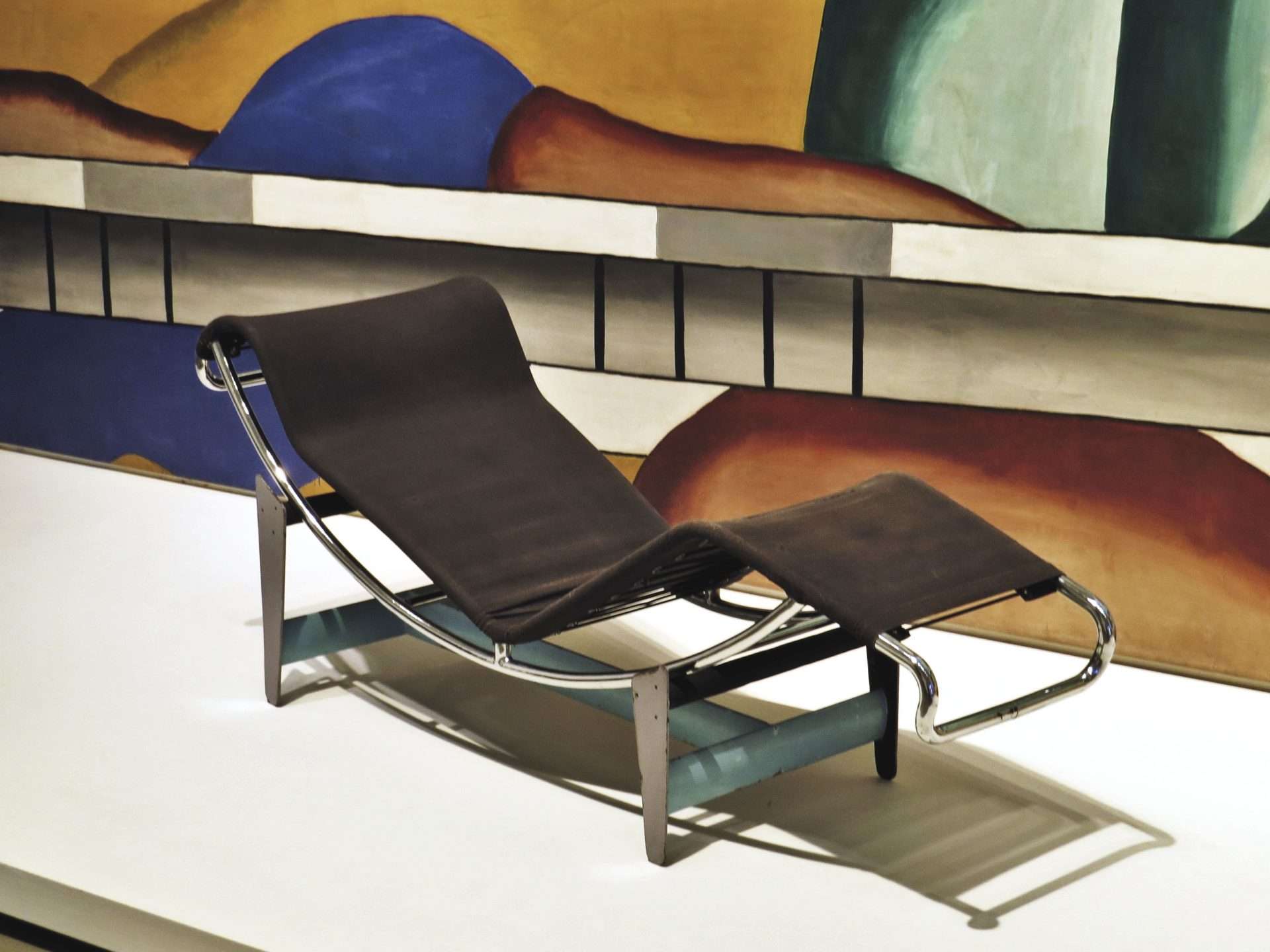
Exactly like the other times, it is the encounters and the alchemy between people that create the conditions for these leaps forward, and here we have a trio that seems like the incipit of many humorous tales… there is a Brianza man, a Neapolitan (but of Irish origin) and a Swiss naturalised Frenchman. The first is still our Cesare, the second is Filippo Alison and the third is the great Le Corbusier.
Filippo Alison was at the time a young architect, highly educated and with a strong practical streak, combined with an excellent knowledge of the masters of the Modern Movement (some of whom were still alive at the time) whose works had never been mass-produced.
Alison collected the drawings of these great architects, had the prototypes made, making sure to preserve their formal and historical correctness, and proposed them to Cassina, who for his part immediately realised that he had something extraordinary on his hands, in terms of cultural value and commercial potential.
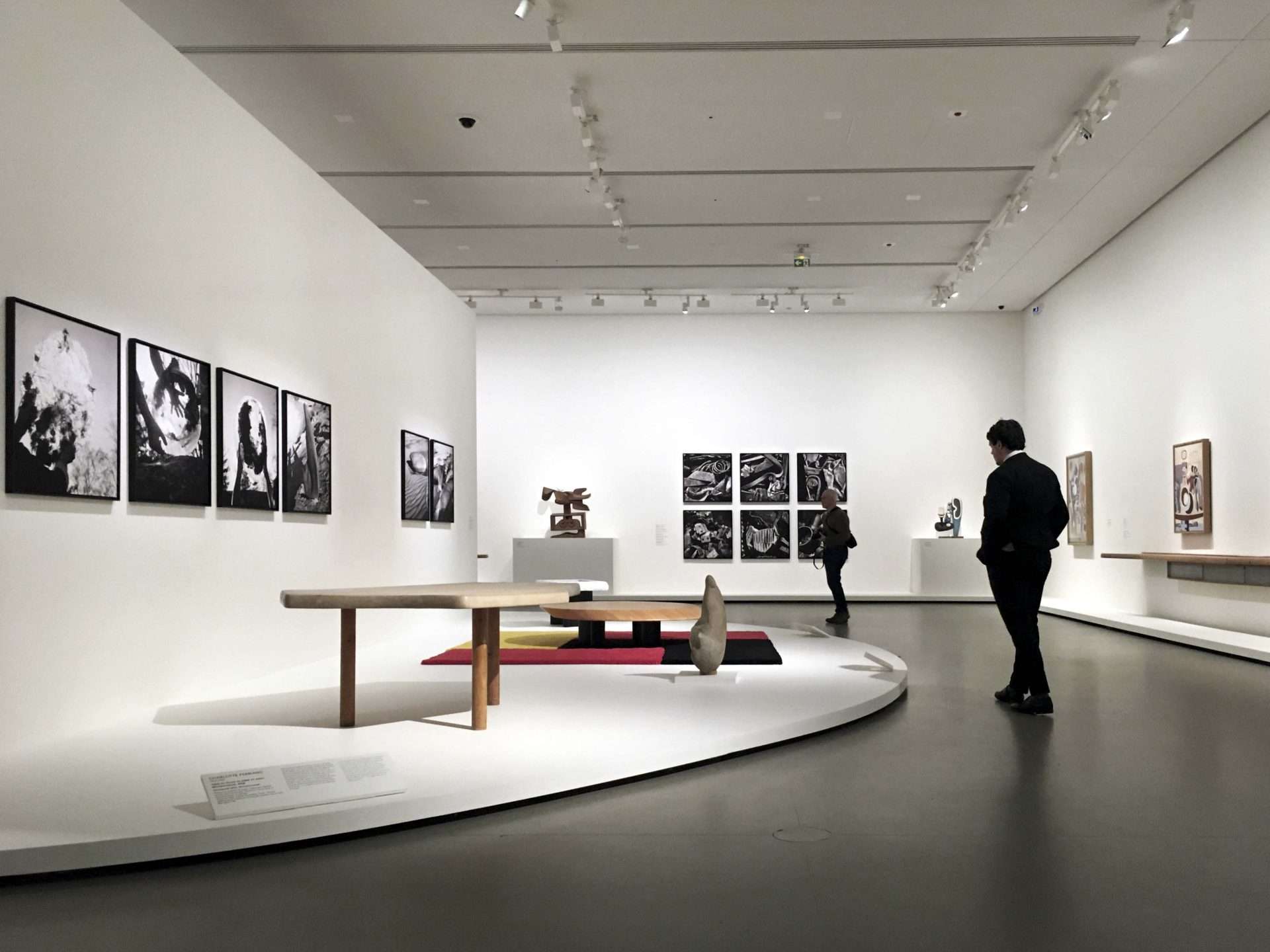
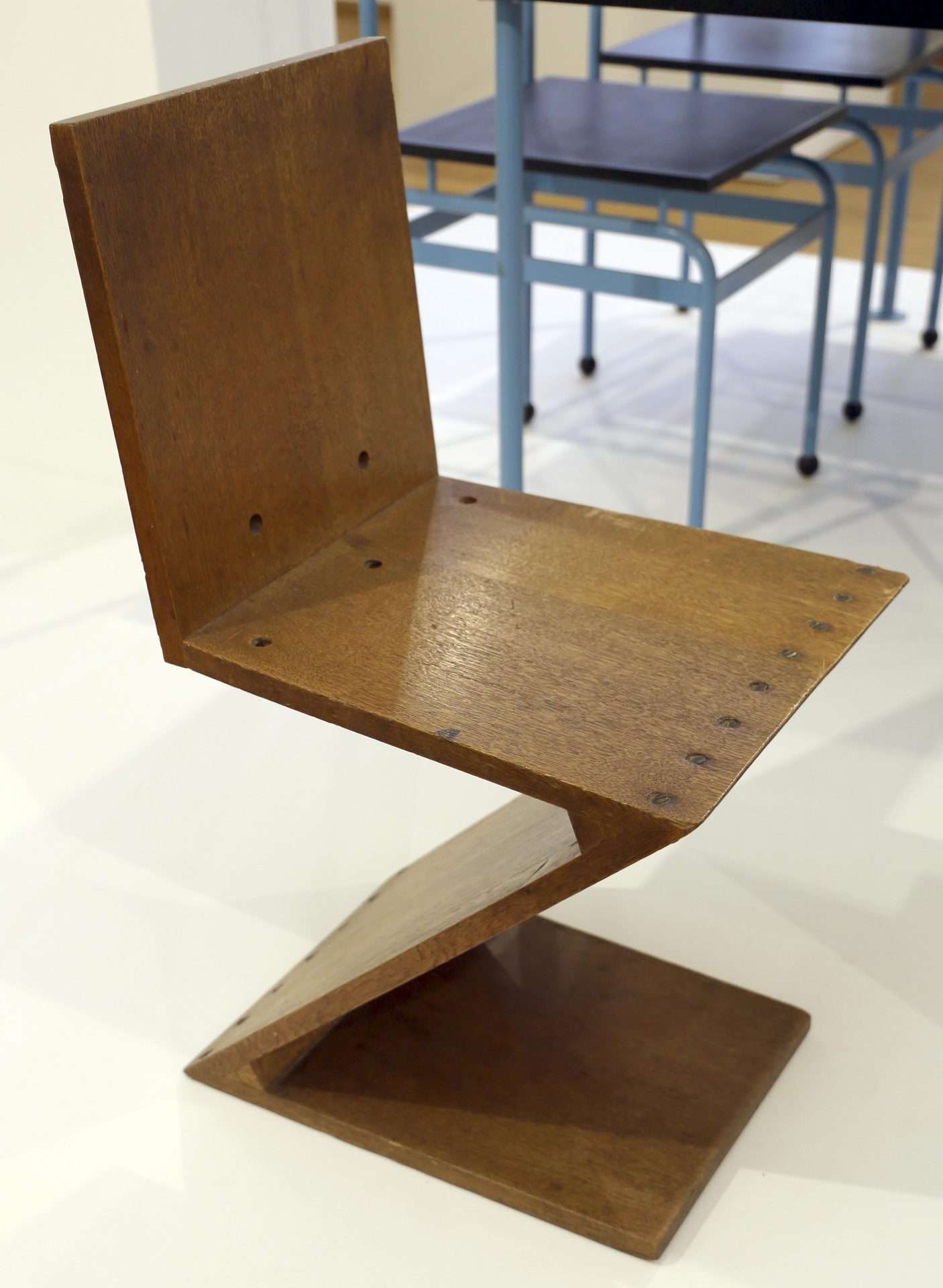
The ‘I Maestri’ collection was born, in which each piece is numbered and given its own identity card. The first designer in this line-up is the Frenchman Le Courbusier, perhaps the most illustrious, who was still alive and was able to make a direct contribution to this collaboration. This was followed by Charlotte Perriand, Frank LLoyd Wright, Macintosh, Franco Albini, Theodore Waddel and others.
The operation of ‘The Masters’ once again raises the bar of the cultural level of this environment, by ennobling precisely through the culture of recognised geniuses, everyday objects, to which only two decades earlier no one had ever attributed so much significance.
Whoever bought one of these objects, yesterday as today, attributed to it a value beyond its function: tables, sofas, chairs and containers, thus become objects not only to be used, but to be displayed, preserved and handed down over time.
But there are other business adventures of Cesare Cassina that deserve to be told.
Along this path, there have been many other entrepreneurial adventures that Caesar has pursued, always born from encounters with unusual personalities.

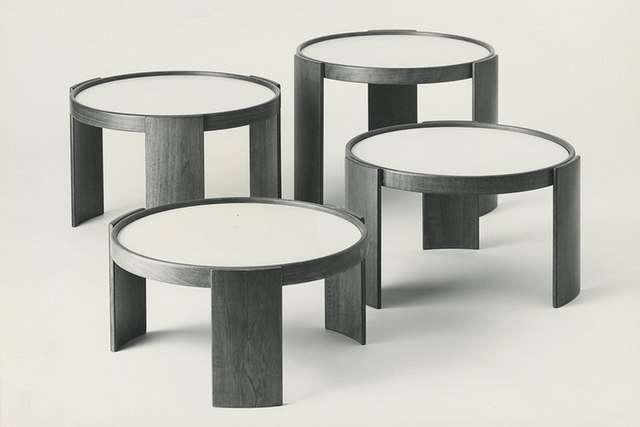
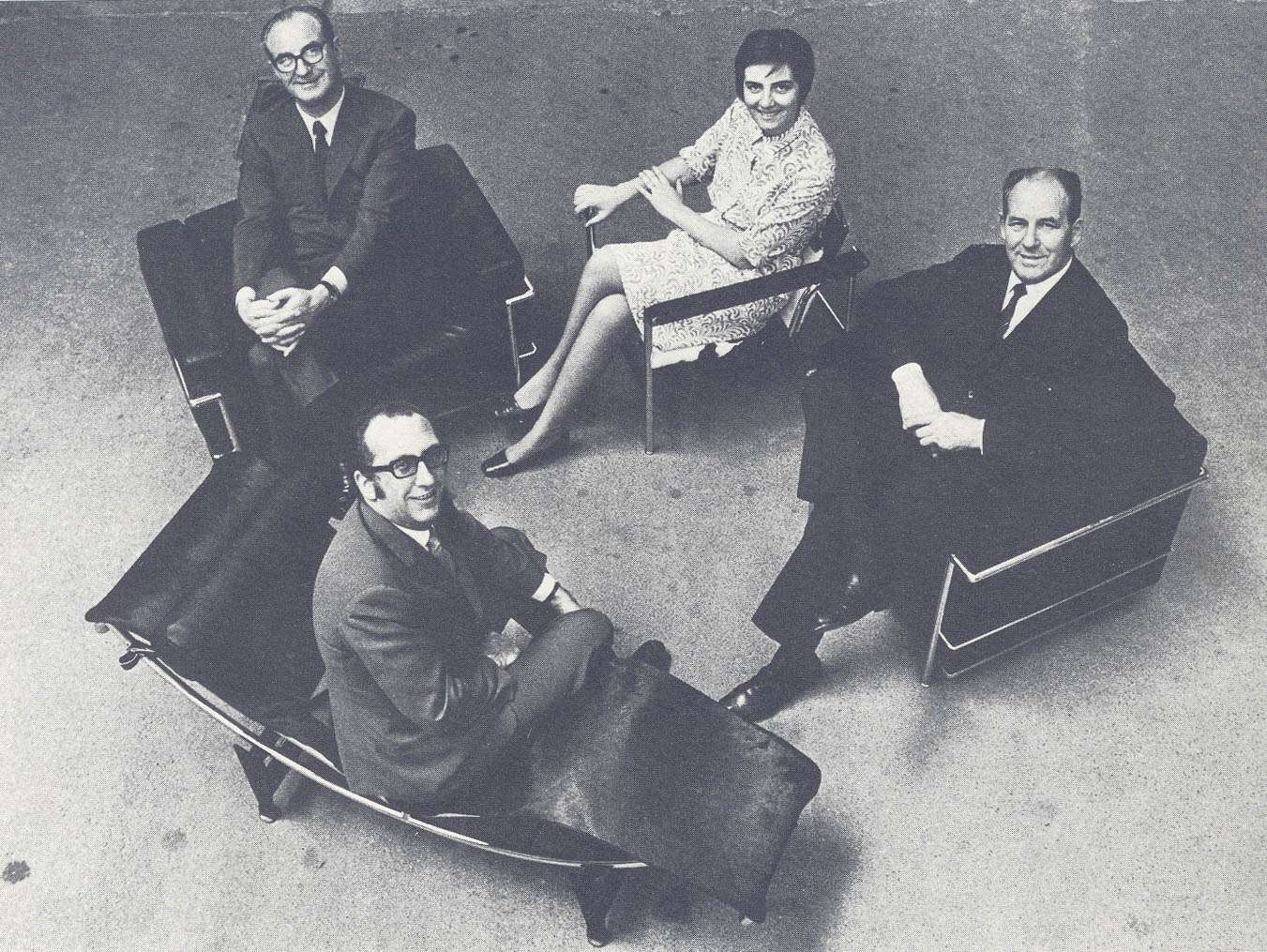
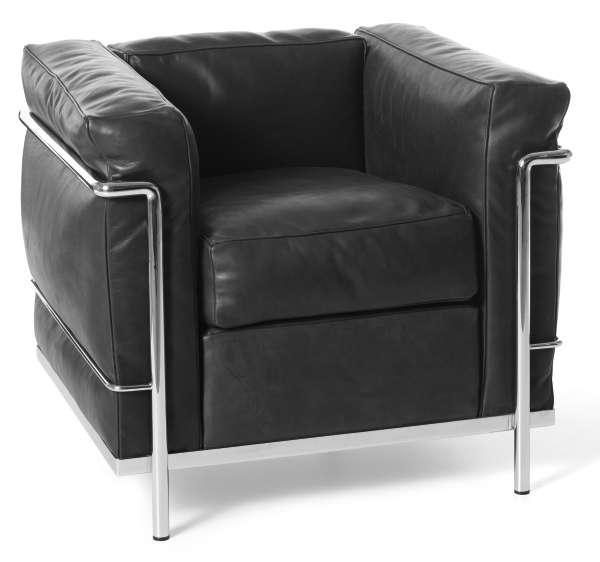
For example, the Braccio di Ferro company -which lasted just two years- involving architects Gaetano Pesce, Alessandro Mendini, Francesco Binfarè and Aldo Chichero; a radical experience not oriented towards production, but towards the creation of unique, iconic pieces with a strong artistic component, often presented to accompany performances and destined for art galleries.
A brief but intense experience, which churned out very special products that still populate design history books today, and which enriched those who were part of it from a human and professional point of view.
Then there are other projects that ended in a decidedly more profitable and long-lasting way, such as the foundation – together with Dino Gavina – of Flos, a historic lighting company founded in 1962 in Merano and changed hands a few years later.
Finally, the adventure with C&B deserves a special mention, which once again represents the innovative spirit of the Brianza entrepreneur.
Here too, an important meeting was at the base of it all, that with Piero Ambrogio Busnelli, who in 1966 proposed to Cassina that they found together a company with a more industrial character, far removed from the classic artisan logic of Brianza, C&B.
Busnelli brought the technology of polyurethane foam injection moulding, which allowed the production of mass-produced pieces, all identical but with great formal freedom. Cassina put its most creative architects, such as Pesce, Mario Bellini and Scarpa, to work, and here too the combination of technique and high-level creativity gave rise to extraordinary and revolutionary pieces such as the UP armchair, still in the catalogue today.
Photography and fashion make their entrance into the world of furniture design with Oliviero Toscani and Donna Jordan (Andy Wharol’s muse) for the presentation photo shoot of Mario Bellini’s Le Bambole seating collection (also still in production).
Great photography combined with furniture design was yet another innovation that many others would follow, and whose potential nobody had understood until then.
C&B’s adventure would come to an end in the early 1970s, when Piero Busnelli took over the shares of Cassina and gave birth to B&B; another first-rate company, devoted to industrial production and cutting-edge technology combined with the signature of great architects.
Today we would say that he is a master of multitasking, perhaps instead he was just a very intelligent man of great insight and whose dedication and determination was never affected by money and success.
What is certain is that this man, with his passion and ingenuity, succeeded in transforming the way products were perceived, starting a trend that all competitors would follow… but he will retain the great merit of having been the first.


