
Written by Artemide
You don’t need the metaverse. To travel through the synapses of our 85 billion or so brain neurons, all you have to do is talk to Enzo Calabrese. And suddenly, words like
beauty, sustainability, change, architecture,
are emptied of the homologising banal and rediscover a sense aligned to nature to the universe, to intelligence – which then is nothing other than ductility.
The Sampei lamp (produced by Davide Groppi), which won him the Compasso d’Oro, ‘steals’ the physiognomy of a fishing rod’. It has been described as “a light structure, capable of capturing emotions and vibrating at the slightest change”… one could say that it establishes an empathic relationship with those who experience it.
The CD rack designed for I Guzzini at the beginning of the advent of the small digital players (that’s what we used to call them) The Stone, actually gave a completely different perception from the function it was conceived for.
It lived a life of its own.
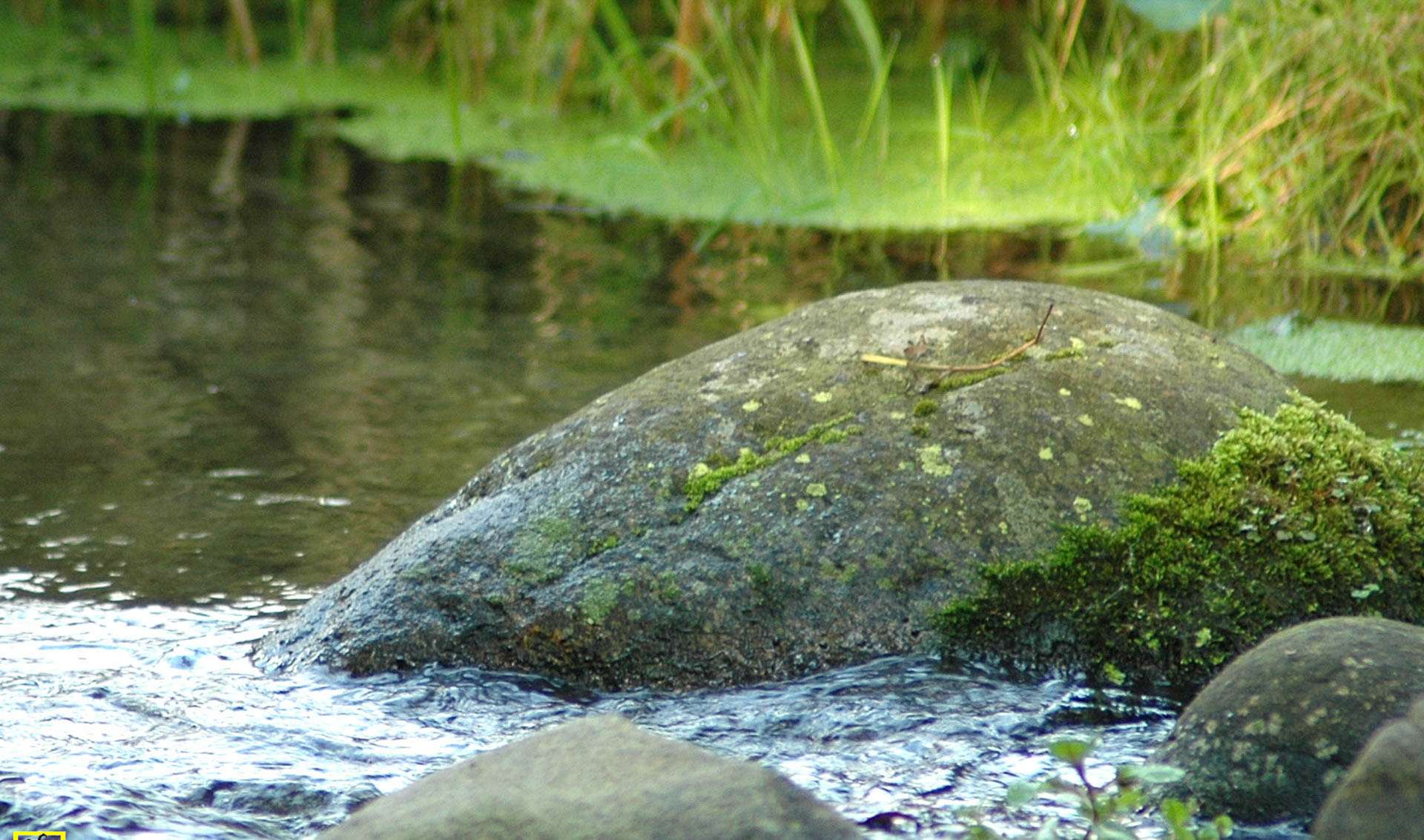
“Maestro Bertolucci kept three of them in his studio, but without CDs…he liked the feeling they gave not of being objects but alterations of the surface. I was fascinated by river stones, because where I was born, in Brindisi, there are no rivers. And then I do not like the sides of things, you are always faced with them unresolved, so I have always done everything to eliminate or reduce the negative impact that ‘the sides’ cause.
To present the project to Domenico Guzzini I slept in my car for 7 hours’.
How would you define the architect?
The role of the architect is to interpret the feeling of his present.
Because every element makes sense in relation to the environment in which it exists at that precise moment. And up to a certain point in our history, architects built beautiful things… they fulfilled desires… then they became so many and at the same time the desire for beauty collapsed and gave way to something else.
Why, now they don’t do it anymore?
May I say this frankly? I often think that if by an exceptional event our beautiful historic centres were to collapse all together, what would be left would make our country one of the ugliest.
We have lost control of beauty. Beauty is an evolving state of mind.
And Italy has stopped at the distant past. It didn’t use history to realise the present and thus the future. New constructions are often monsters or worse beings without meaning or definition.
Does this not happen abroad?
In Austria, Holland, Germany, on the hills you find contemporary architecture, which draws on tradition but uses current materials, it does not try to mimic the past by offending it with terrible results. Here it is as if there has been a bug, everyone has forgotten when Italy taught the world how to invent, design and build. Think of Borromini’s San Carlo at the 4 Fountains, contemporaries of the time said it was an offence to human intelligence …that was actually
the courage to create the present!
An important clergyman presented him the problem of a church in a long, narrow street that did not allow a frontal view, and he came up with the idea of bending the façade so that it could also be perceived laterally as a temporal sequence of parts that made a unicum.
Is this courage no longer there? Why in your opinion?
Italy suffers from the disease of politicising everything, even architecture. And then we proceed by trends, take green for example. Or the word sustainable, which on its own means nothing. The prevailing hypocrisy and goodism delegate to this word the lifting of all blame, but it has never been so. Do we really want to think about green architecture? The Wind Towers in Iran still work!
What are wind towers?
Inspired by termite nests, each house has very tall towers that capture air and channel it up to 7/10 metres below the ground. Natural convectors are created and a heat exchange is triggered, causing the air to circulate in the building’s cavities. Of course, each element makes sense in the environment where it is placed. And it is not enough to cover a building with plants….
Is any reference purely coincidental?
If we are talking about Green, that is not.

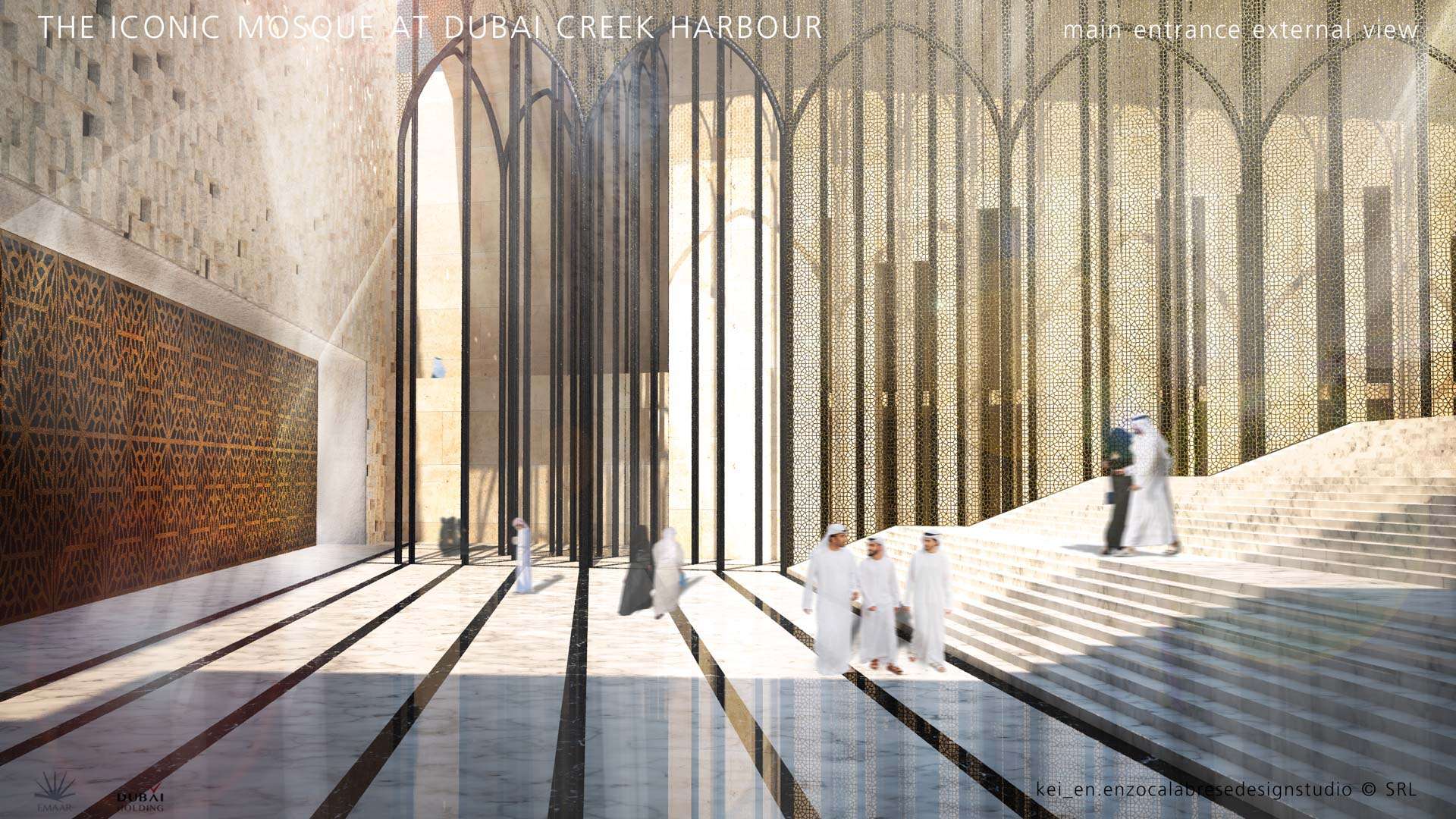


You were delegated to design a zero-emission city concept in Abu Dhabi, how did it end?
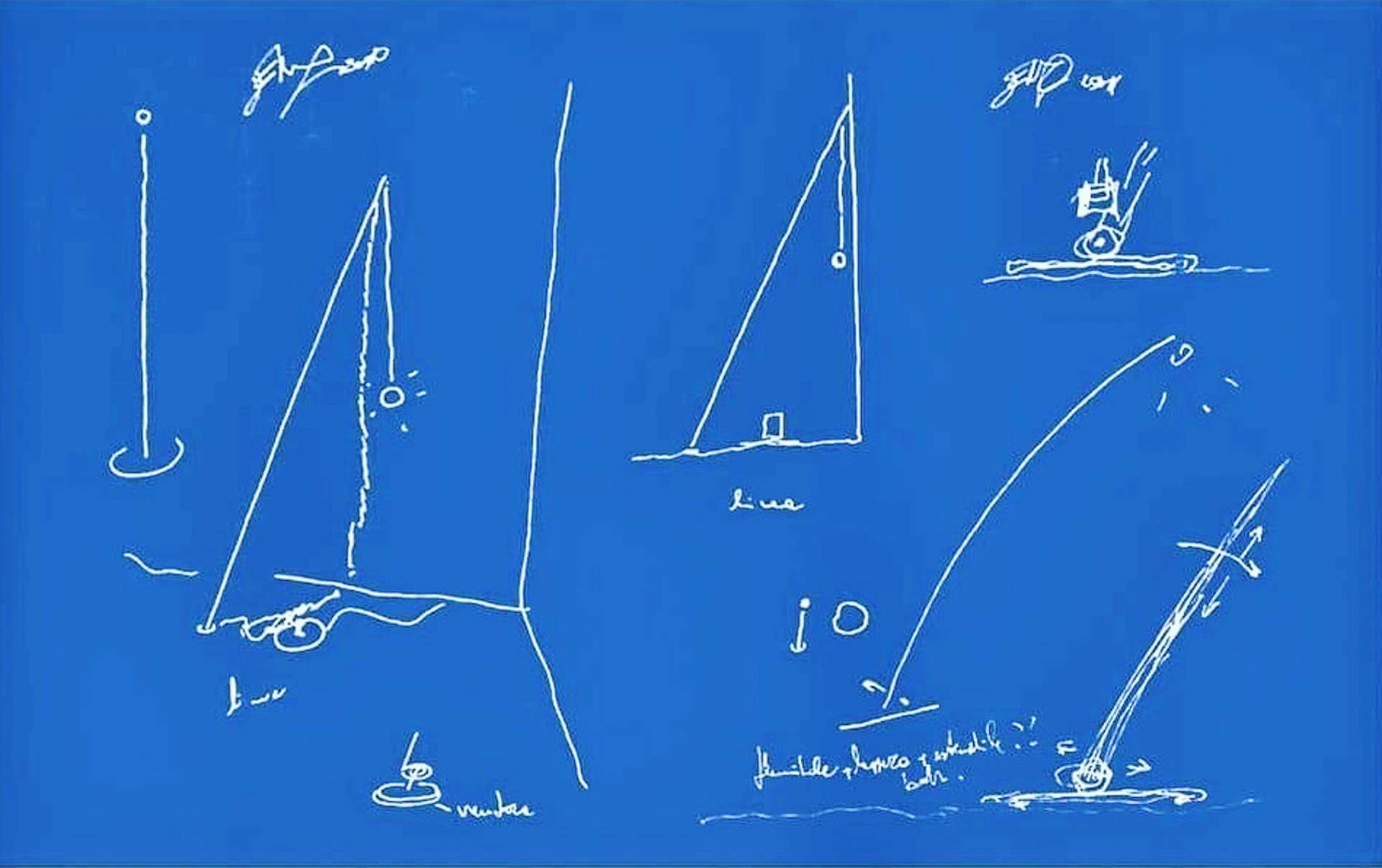
As I said … that it could not be done. To be green, it would have polluted beyond belief. It’s in the drawing that you clarify your ideas.
Between energy consumption and maintenance, nothing there was sustainable. Even if you no longer needed the car, the project was burdened with other problems. Some time later Foster realised a portion of that plan, Masdar, was a flop
What is sustainability?
A state of mind, first and foremost. If you have it, you also look for the cultural approach to handle it. There’s no point in making your house category A 10 gold if you then have LEDs that you put everywhere, even in the skirting board of a balcony, eventually consuming ten times more than light bulbs. Or who said sustainable is, say, a table made of recycled plastic?
An object capable of lasting for decades is not sustainable?
So many elements have to be put together and it is the sum that is decisive.
What’s the most sustainable thing you’ve seen?
In a Danish village, many years ago, an experiment involved disconnecting a small residential place from the grid and making it autonomous. A holistic system that changed the usual parameters: not solar energy but hydrogen was used, and the system involved ‘mother’ houses feeding smaller ones with a fuel that emitted water vapour. The whole thing followed a developing thought.
What separates us from this goal?
That which is easily sellable. The problem is when you reach a point where you lose the ethics of your craft and the whole thing becomes a self-celebration of an aesthetic for its own sake. And then there are the clichés.
For example?
For example, 8 e-mails consume like doing one km on a diesel car. Under the oceans we have thousands of processors that need to be cooled… which brings us back to the meaning of the question ‘what does sustainable mean’?
What is beauty?
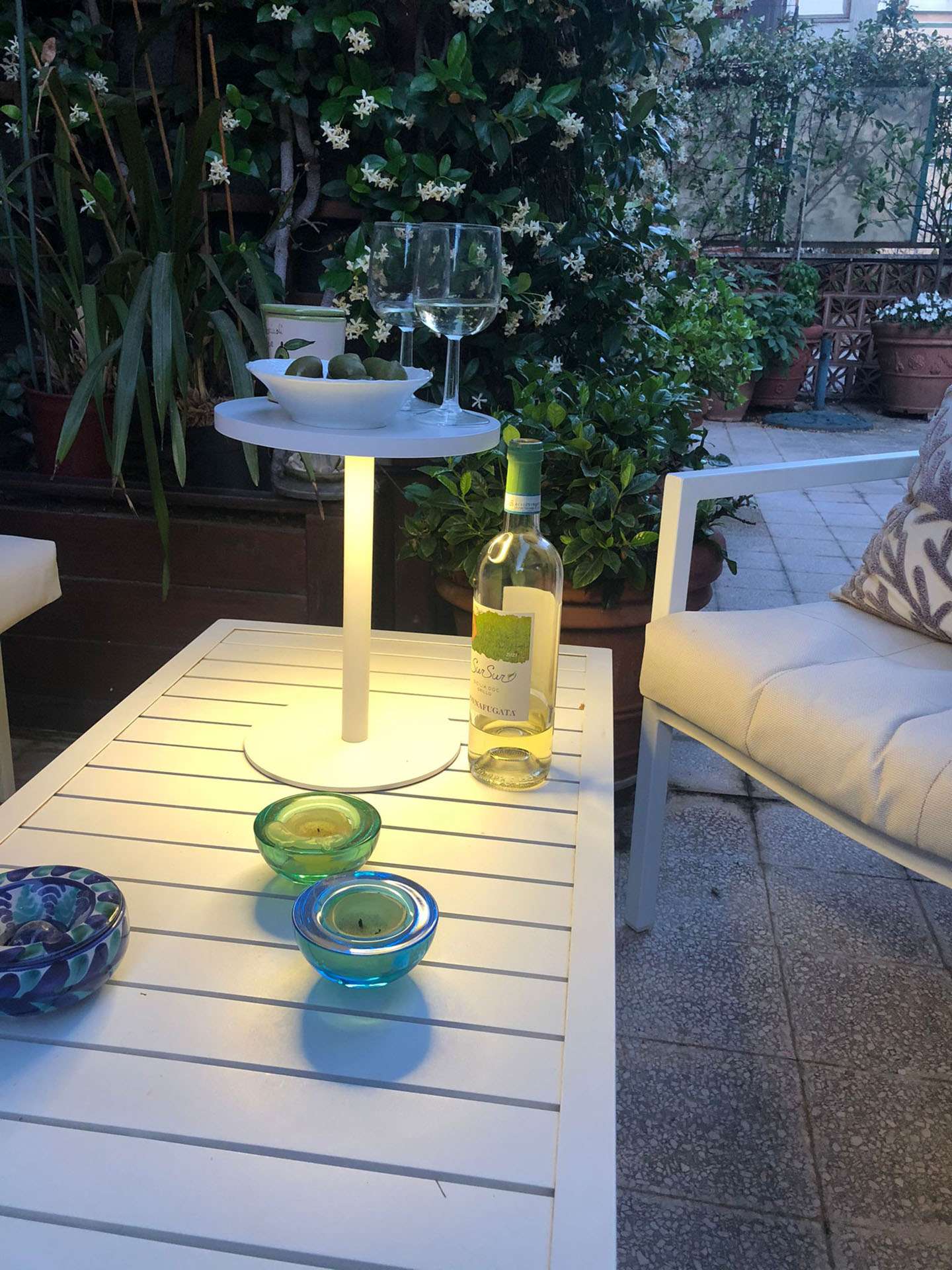
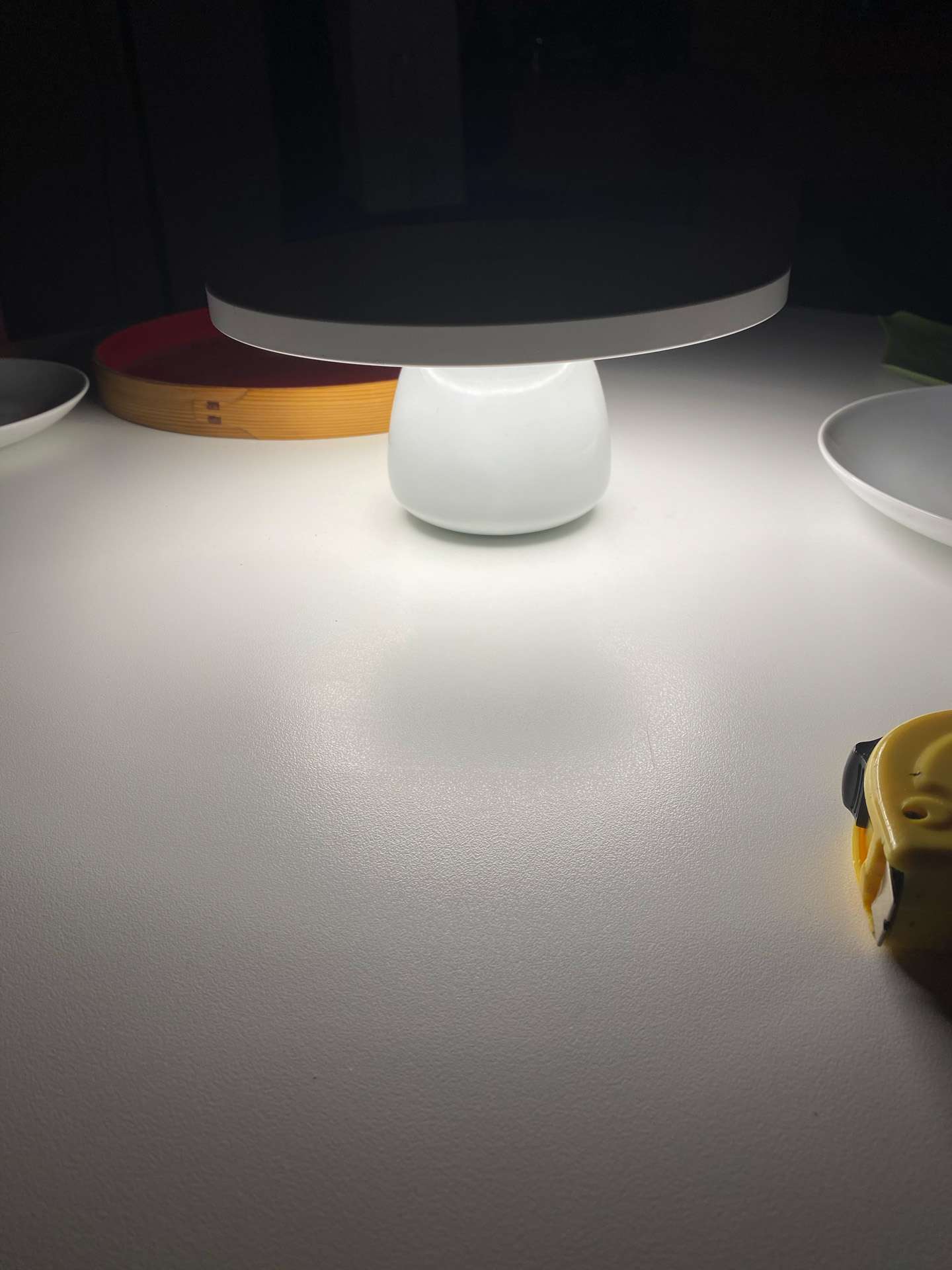
Light is beauty, it gives meaning to things and quality to space. Light detaches an object from its physicality and brings it to be an inner dimension and feeling. My latest, ‘Hedwig’ (by Covo), also does this and uses light as an excuse to be something else, also a meeting place.
I have always sought light, I have realised that it is a desire, a way of being.
Perhaps because I grew up in Brindisi, on the ground floor of an eight-storey building two metres from my window. I grew up without any kind of light and eventually that desire became a dream and finally a quest.


